 Key Takeaways
- Holistic development at ISS International School goes beyond academic progress to include emotional resilience, social skills, physical well-being, critical thinking, and personal responsibility.
- Through the full IB continuum and the High School Diploma pathway, students learn to question, reflect, collaborate, and apply knowledge through projects, service, and real-world experiences.
- Extra-Curricular Activities such as ISS Talks and Eco Stewards give students additional opportunities to explore interests, build confidence, and strengthen communication and teamwork.
- ISS also supports responsible technology use by teaching digital citizenship, online safety, respectful communication, and thoughtful screen habits.
Introduction
As parents, it is natural to ask how your child is doing academically. Are they keeping up with Mathematics? Are they becoming stronger writers? Are they prepared for the next stage of school?
But you may also notice changes that never appear on a report card. Perhaps your child has become more willing to speak up in a group. They are learning how to handle disappointment without giving up. They have made friends from cultures different from their own, or they have started taking more responsibility without being reminded.
At ISS International School, we believe these changes matter just as much. That is why we’ve made holistic development a priority, helping students grow academically while also becoming more confident, reflective, and responsible individuals.
Why Children Need Holistic Education in Schools
1. Emotional Growth Helps Children Handle Challenges
School comes with plenty of small challenges, from receiving disappointing feedback to adjusting to a new class or managing friendship difficulties. Children who learn to recognise and regulate their emotions are better equipped to respond calmly, ask for support, and try again rather than feeling overwhelmed by setbacks.
2. Social Skills Grow Through Everyday Interaction
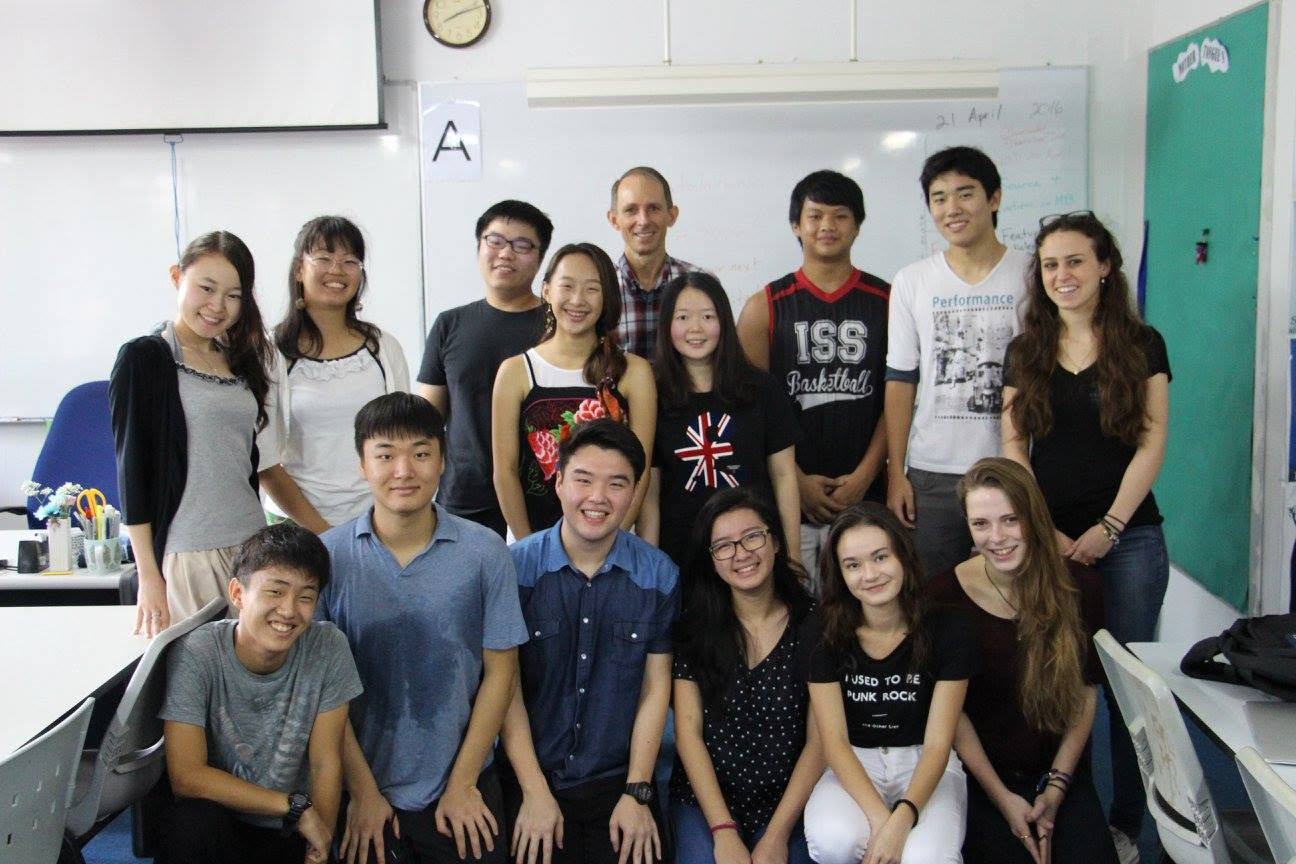
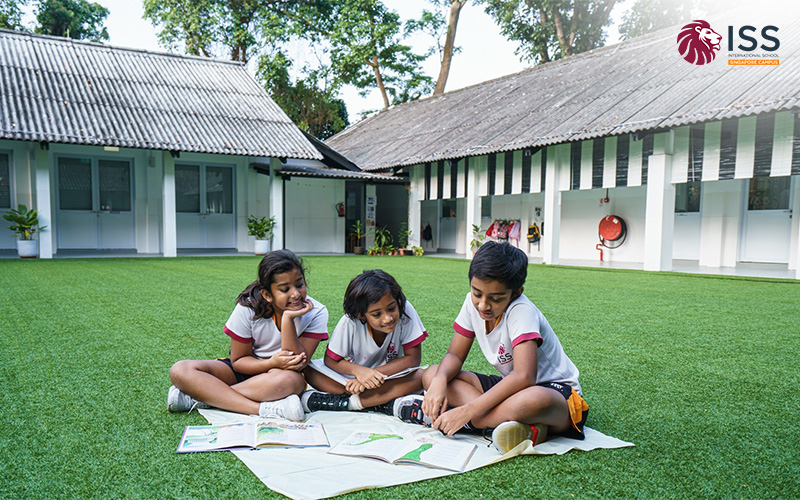
Children also learn by working with people who may think, communicate, or approach problems differently. A group project, for example, requires students to listen to others, explain their own ideas, divide responsibilities, and sometimes compromise. These everyday interactions help children develop empathy, communication, and collaboration skills.
3. Physical Well-Being Supports Learning As Well
Learning is not only a mental activity. Opportunities for sport, outdoor activity, and active play give students a chance to move, recharge, and develop healthy habits. Regular movement can also help children return to the classroom feeling more focused and ready to learn.
4. Critical Thinking Prepares Children for Real-World Problems
Knowing facts is important, but children also need to know what to do with that knowledge. An open-ended project might ask students to investigate an environmental issue, compare different solutions, or explain why they reached a particular conclusion. Rather than simply memorising the “right” answer, students learn to question information, consider different viewpoints, and develop their own ideas.
How ISS International School Encourages Holistic Development for Student Wellness
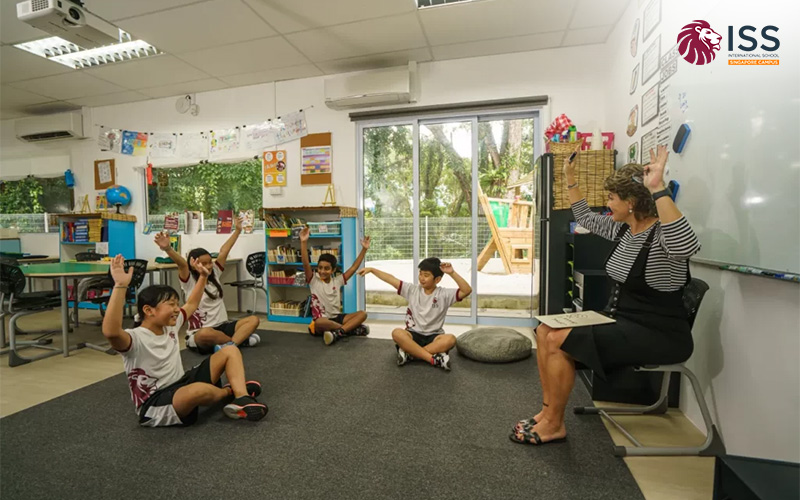
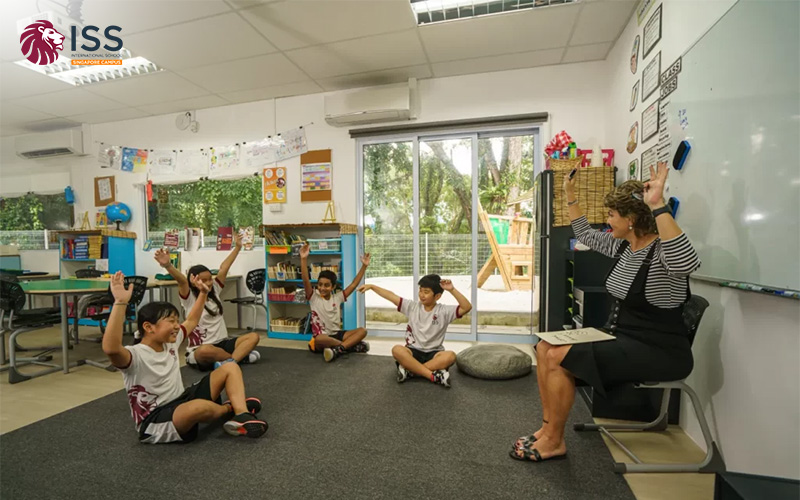
At ISS International School, we support holistic development through learning experiences that go beyond academics. From our curriculum to our Extra-Curricular Activities, students have regular opportunities to build confidence, independence, healthy habits, and a sense of belonging.
Here are some of the ways this takes shape across school life.
1. Learning That Connects Knowledge With Action
ISS offers the full International Baccalaureate (IB) continuum, creating an inquiry-led learning journey from the Primary Years Programme (PYP) through the Middle Years Programme (MYP) to the IB Diploma Programme (IBDP). Rather than simply absorbing information, students are encouraged to ask questions, investigate ideas, make connections across subjects, and reflect on how they learn. For example:
- IB PYP: Young students can bring together their learning through the collaborative PYP Exhibition, where they investigate an issue or idea in depth.
- IB MYP: Students take part in modules like Service as Action and complete a Personal Project in Grade 10, giving them opportunities to apply their interests and learn more independently.
- IBDP: At this level, students can further develop research, reflection, and critical thinking through Theory of Knowledge, the Extended Essay, and Creativity, Activity, Service (CAS).
We also offer the American-style High School Diploma (HSD) programme as an alternative senior-school pathway. Alongside core academic subjects, students can take part in experiences such as:
- A Genius Hour passion project in Grade 11;
- A Capstone Project in Grade 12 focused on a real-world issue or research topic;
- Career planning and entrepreneurship
- Service and volunteering initiatives
These inquiry- and project-based experiences help students practise skills they will continue to use beyond school, including planning their approach, researching information, making decisions, reflecting on what worked, and communicating their thinking clearly.
2. Opportunities for Self-Discovery and Socio-Emotional Learning
Students often discover their interests and strengths through experiences beyond academic lessons. Through our Extra-Curricular Activities (ECAs), students can explore interests while building confidence, communication skills, and relationships with others.
For example, students may take part in ISS Talks, which develop public speaking and debate skills, or Eco Stewards, where they help care for the school’s gardens and aquariums. These experiences give students different ways to discover what they enjoy while practising collaboration, responsibility, empathy, and self-expression.
This makes ECAs an important part of socio-emotional growth, not simply an activity that sits outside the curriculum.
3. Balancing Technology With the World Around Us
Technology is part of everyday learning at ISS, but we also want students to understand how to use it safely and responsibly. Our approach goes beyond digital skills to include digital citizenship, online safety, respectful communication, and awareness of how their choices can affect themselves and others.
These conversations help students think critically about issues such as privacy, online behaviour, screen habits, and the information they encounter online. At the same time, we continue to make space for discussion, collaboration, reading, creative work, and hands-on learning so that technology supports learning without replacing other important ways of engaging.
Conclusion
When it comes to what students will remember from their school years, we know it will not only be lessons, assignments, or examination results. They will also remember the relationships they formed, the interests they discovered, and the moments when someone encouraged them to try something they did not yet think they could do.
That is the purpose of holistic development at ISS International School. For more than four decades, our commitment to Educating to Make a Difference has guided how we support students beyond academics. We want them to leave us as confident, reflective global citizens who approach new experiences with an open mind, a balanced perspective, and a genuine sense of wonder.
If this is the kind of education you hope for your child, contact us to learn more about the ISS learning experience and how we support students.